
























Valentine's Day celebrates romantic love through flowers, chocolates, and heartfelt messages. Yet nature has been celebrating devotion far longer than humanity through birds that mate for life, staying together through seasons and years in partnerships that embody loyalty, cooperation, and genuine affection. These feathered couples demonstrate that enduring love transcends human experience, existing throughout the animal kingdom in forms both beautiful and scientifically fascinating.
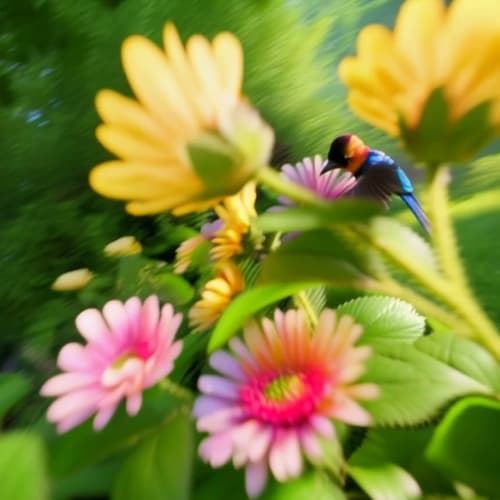
Sunbirds, with their iridescent plumage and nectar-feeding lifestyle, represent one of nature's most charming paired species. Male and female sunbirds often forage together, defend territories cooperatively, and return to the same nesting sites year after year. While not all sunbird species mate for life in the strictest sense, many form strong seasonal bonds with the same partners repeatedly, creating relationships that span multiple breeding cycles. Their vibrant colors and energetic interactions make them living symbols of beauty and partnership.
Valentine's Day Origins and Romantic Traditions
Valentine's Day traces its roots to ancient Roman festivals and Christian martyrdom, evolving over centuries into the modern celebration of romantic love. The holiday's namesake, Saint Valentine of Rome, was reportedly executed on February 14th around 269 CE for performing marriages for soldiers forbidden to wed. This association with defying authority for love's sake became foundational to Valentine mythology.
Medieval European traditions transformed Valentine's Day into romantic celebration. Geoffrey Chaucer's 1382 poem "Parliament of Foules" first associated Valentine's Day with romantic love, writing that birds chose their mates on this date. This avian connection established February 14th as nature's mating season beginning—linking human romance to the natural world's courtship rituals through symbolic resonance that persists today.
Historical Valentine's Day Evolution:
- Ancient Rome (3rd century CE): Saint Valentine martyred, later canonized
- Medieval Europe (14th century): Chaucer connects Valentine's Day to bird mating
- Victorian Era (19th century): Mass-produced cards make celebration widespread
- Modern era (20th-21st century): Commercial celebration expands globally
By the 18th and 19th centuries, Valentine's Day involved exchanging handwritten notes and tokens of affection. The Victorian era saw explosion of elaborate Valentine's cards featuring lace, ribbons, and romantic verse. These cards often depicted birds—especially doves and lovebirds—as symbols of faithful partnership. The connection between Valentine's Day and paired birds became culturally embedded through this imagery.
Today Valentine's Day generates billions in commercial spending on gifts, dining, and experiences. While critics decry commercialization, the holiday provides designated occasion for expressing affection that many relationships benefit from. The bird symbolism remains strong—cards, decorations, and gifts frequently feature doves, swans, and other species representing enduring love through their natural pairing behaviors.
💕 Try Valentine Sunbirds Randomizer →
Birds That Mate for Life - Scientific Perspective
Approximately 90% of bird species practice social monogamy during breeding seasons, but only about 5% truly mate for life in the sense of maintaining exclusive partnerships until death. This distinction matters scientifically—social monogamy means sharing parenting duties with one partner, while genetic monogamy means sexual exclusivity. Many socially monogamous birds engage in "extra-pair copulations," complicating simple romantic narratives.
True lifelong pairing offers evolutionary advantages in certain contexts. Species requiring extensive parental investment benefit from stable partnerships where both parents contribute consistently to offspring survival. Learning each other's communication patterns, coordinating hunting or territory defense, and sharing nesting site knowledge all improve efficiency over time, making established pairs more successful than newly formed couples.
Scientific Benefits of Lifelong Pairing:
- Breeding efficiency: Experienced pairs coordinate better than new couples
- Territory familiarity: Both partners know optimal nesting and feeding locations
- Reduced conflict: Established relationships minimize courtship energy expenditure
- Offspring survival: Consistent dual parenting increases fledgling success rates
- Predator defense: Coordinated protection more effective than individual efforts
However, lifelong pairing carries costs. If one partner dies, the survivor might struggle finding new mate, losing reproductive opportunities. Genetic diversity suffers when individuals breed exclusively with one partner across multiple seasons. These trade-offs explain why most bird species practice serial monogamy—faithful during breeding seasons but seeking new partners annually or when circumstances change.
Divorce does occur in lifelong-pairing species, usually triggered by breeding failure. If pairs fail to successfully raise offspring, one or both partners might seek new mates the following season. This pragmatic approach demonstrates that avian partnerships, while often devoted, ultimately serve reproductive success rather than abstract romantic ideals. Nature selects for outcomes, not sentiments.
Research methods for studying lifelong pairing include banding programs that track individual birds across years, genetic analysis revealing parentage and extra-pair copulations, and behavioral observation documenting partnership longevity. These scientific approaches reveal nuanced reality beyond romantic simplifications—birds demonstrate genuine partner fidelity while also exhibiting complexity that purely romantic interpretations miss.
🦢 Learn About Animal Partnerships →
Swans - The Ultimate Symbol of Romantic Devotion
Swans reign as the most iconic symbols of romantic love across cultures worldwide. Their elegant white plumage, graceful movements, and the heart-shaped silhouette created when pairs face each other with necks curved have made them visual representations of perfect partnership. This symbolism extends from ancient Greek mythology through modern wedding decorations.
Mute swans, the species most commonly associated with romance, do typically mate for life. Pairs form strong bonds maintained through elaborate courtship displays, synchronized swimming, and mutual preening. Swan pairs often return to the same nesting territories year after year, defending these locations aggressively against intruders. Their partnership includes shared nest-building, joint territory defense, and cooperative cygnet-rearing.
Swan Partnership Characteristics:
- Courtship rituals: Synchronized head movements and vocalizations during bonding
- Mutual preening: Partners groom each other reinforcing social bonds
- Joint territory defense: Both sexes aggressively protect nesting areas
- Shared parenting: Male and female both protect and raise cygnets
- Lifelong fidelity: Most pairs remain together until one partner dies
- Mourning behavior: Surviving swans sometimes show depression after partner loss
However, swan fidelity isn't absolute. Studies reveal that approximately 5% of swan eggs result from extra-pair copulations. "Divorce" occurs in roughly 5-10% of swan pairs, usually following breeding failure or when better territories become available with new partners. These exceptions don't negate the general pattern of strong partnership but add scientific nuance to romantic idealization.
The symbolism of swans in human culture predates scientific understanding. Greek mythology featured Zeus transforming into a swan, Irish legends told of children transformed into swans, and various European folktales portrayed swans as enchanted humans under magical curses. These associations with transformation and magic combined with observed partnership fidelity to cement swans as ultimate love symbols.
Modern culture continues this tradition. Swan imagery appears on wedding invitations, anniversary cards, and Valentine's decorations. The ballet "Swan Lake" dramatizes love and tragedy through swan transformation. The phrase "swan song"—referring to a final performance—derives from ancient belief that swans sing beautifully only before death. All these cultural touchstones reinforce swans as embodiments of beauty, grace, and devotion.
🎴 Explore Symbolic Traditions →
Eagles and Raptors - Fierce Love in the Skies
Bald eagles epitomize powerful partnership through their dramatic aerial courtship displays and lifelong pair bonds. These magnificent raptors engage in spectacular courtship flights where pairs lock talons and spiral earthward, releasing only at the last moment. This death-defying display demonstrates trust, coordination, and strength—qualities essential for successful partnership.
Once bonded, eagle pairs typically remain together for life, returning to the same massive nests year after year. These nests, called eyries, can weigh thousands of pounds after decades of annual additions by successive generations sometimes using the same site. Both parents incubate eggs, hunt for food, and defend eaglets aggressively. The shared investment in offspring survival creates strong functional partnership beyond mere romantic symbolism.
Eagle Partnership Dynamics:
- Spectacular courtship: Aerial acrobatics including talon-locking and cartwheeling
- Nest cooperation: Both partners build and maintain massive stick nests
- Territory fidelity: Pairs return to same nesting sites across decades
- Shared incubation: Male and female take turns warming eggs
- Hunting coordination: Partners sometimes hunt cooperatively for efficiency
- Long-term bonding: Pairs remain together 20+ years until death
Golden eagles, peregrine falcons, and many other raptor species similarly mate for life. The evolutionary advantages for raptors include territory familiarity—pairs learn optimal hunting areas and perches together—and coordination efficiency when defending large territories against rivals. Raptor pairs often engage in synchronized vocalizations, territorial displays, and coordinated hunting that improve with experience.
The fierce independence of raptors makes their partnerships particularly striking. These are apex predators capable of thriving alone, yet they choose partnership and maintain it across years. This choice resonates with human romantic ideals—love as decision and commitment rather than biological necessity. Raptors don't need partners for survival but benefit significantly from cooperation.
However, eagle "divorces" do occur. If pairs consistently fail at breeding, one or both partners might seek new mates. When one partner dies, the survivor often quickly finds replacement mate, suggesting pragmatic rather than purely emotional bonding. Young birds might go through several trial partnerships before establishing lasting bonds. These realities don't diminish the genuine partnership but contextualize it within evolutionary logic.
Cultural symbolism associates eagles with nobility, power, and freedom across civilizations. Native American traditions revere eagles as sacred messengers, United States adopted the bald eagle as national emblem, and numerous cultures use eagle imagery representing strength and vision. The combination of powerful symbolism with lifelong partnership makes eagles compelling romantic metaphors—relationships that maintain individual strength while forming powerful unions.
🦅 Learn About Powerful Partnerships →
Albatrosses - Ocean Wanderers Reuniting Across Vast Distances
Albatrosses demonstrate perhaps the most remarkable lifelong partnerships in the avian world. These ocean wanderers spend years soaring across thousands of miles of open sea, yet return to the same nesting islands to reunite with the same partners season after season. The navigational feat required—finding a single bird on a tiny island in the vast Pacific—makes their fidelity even more impressive.
Laysan albatrosses engage in elaborate courtship dances involving synchronized movements, bill-clacking, vocalizations, and what researchers describe as "sky-pointing" where birds extend necks upward together. These dances can last hours, occurring repeatedly over weeks as pairs form or reinforce bonds. Once established, pairs maintain relationships spanning decades—albatrosses live 50+ years and remain with the same partners for most of that lifetime.
Albatross Partnership Features:
- Incredible navigation: Partners relocate each other across thousands of ocean miles
- Extended courtship: Complex synchronized dancing establishes and maintains bonds
- Long-term fidelity: Pairs stay together 30-50 years across entire adult lives
- Slow reproduction: Single egg every 1-2 years requires devoted partnership
- Shared incubation: Partners take turns sitting on eggs during months-long shifts
- Coordinated parenting: Both parents make epic feeding flights for chicks
The evolutionary logic for albatross monogamy stems from their extreme reproductive investment. Albatrosses lay single eggs only every one or two years, with incubation lasting 2-3 months and chick development requiring 5-10 months. This massive parental investment demands reliable partnership. Experienced pairs have higher breeding success than newly formed couples, creating strong selective pressure for maintaining successful relationships.
Divorce rates in albatrosses remain remarkably low—typically under 1% annually. When separations occur, they usually follow breeding failure. However, if one partner fails to return to the breeding colony (presumably dead), the survivor will eventually seek a new mate after waiting through one or sometimes two seasons. This combination of extreme fidelity with pragmatic flexibility when necessary demonstrates sophisticated decision-making beyond simple romantic narrative.
Climate change threatens albatross partnerships by altering ocean food distributions. Partners may need to travel farther for food, extending absences and potentially missing synchronized return to breeding colonies. This environmental disruption of partnership timing could increase separation rates, demonstrating how even the most devoted natural relationships depend on stable ecological conditions supporting them.
Lovebirds and Parrots - Affectionate Companionship
Lovebirds earn their romantic name through genuinely affectionate behaviors—pairs sit pressed together for hours, engage in mutual preening, feed each other, and show visible distress when separated. These small African parrots form intense pair bonds that captivate bird enthusiasts and inspire the colloquial use of "lovebirds" for affectionate human couples.
While not all lovebird pairs mate for life in wild conditions, captive pairs typically remain bonded until death. They demonstrate behaviors suggesting emotional attachment beyond mere breeding partnership—refusing food when separated, calling persistently for missing partners, and showing preferences for specific individuals. These behaviors make lovebirds among the few non-mammalian species where genuine affection seems scientifically supportable.
Lovebird Bonding Behaviors:
- Contact sitting: Pairs perch touching for extended periods
- Allopreening: Extensive mutual grooming of head and neck feathers
- Feeding behavior: Partners regurgitate food for each other even outside breeding
- Separation distress: Visible agitation and calling when partners separated
- Synchronized activities: Eating, bathing, and resting in coordinated patterns
- Aggressive mate defense: Defending partners vigorously against perceived threats
Larger parrot species including macaws, cockatoos, and African grey parrots similarly form strong pair bonds. Macaw pairs in particular display remarkable fidelity, with bonded pairs flying together, foraging cooperatively, and sharing nesting cavities across decades. Their loud calls, vibrant plumage, and dramatic courtship displays make them spectacular embodiments of partnership.
The high intelligence of parrots contributes to complex social bonds. These birds recognize individual partners, remember past interactions, and demonstrate problem-solving abilities suggesting genuine relationship sophistication. Research on parrot cognition reveals emotional capacities traditionally attributed only to mammals—grief at partner loss, jealousy toward rival birds, and joy at reunion after separation.
However, captive conditions sometimes create artificial pairing situations. Hand-raised parrots might bond with human caretakers rather than other birds, creating complex attachment dynamics. Forced pairing in aviaries doesn't always result in genuine bonds—parrots, like humans, have individual preferences and personalities determining compatibility. Successful partnerships require mutual choice and compatible temperaments.
Conservation implications exist for parrot pair bonding. When capturing wild parrots for pet trade separates bonded pairs, both individuals suffer psychological distress. Breeding programs for endangered species must respect pair bonds, as forcing incompatible pairings results in breeding failure. Understanding avian emotional capacity changes how conservation and captive management approaches these intelligent species.
💝 Learn About Emotional Bonds →
Sunbirds - Jeweled Partners of Tropical Gardens
Sunbirds, the inspiration for this Valentine's randomizer, bring vibrant color and energetic charm to tropical and subtropical regions across Africa, Asia, and Australia. These tiny nectar-feeding birds display iridescent plumage that shimmers with metallic greens, purples, reds, and yellows as they hover near flowers extracting nectar with curved bills perfectly adapted to their ecological role.
While sunbird pairing systems vary by species, many form seasonal monogamous pairs during breeding periods. Male sunbirds perform elaborate courtship displays featuring aerial flights, singing from prominent perches, and puffed-plumage presentations showcasing their brilliant colors. Females, typically less colorful, select mates based on these displays, choosing the most vibrant and energetic performers.
Sunbird Partnership Patterns:
- Seasonal monogamy: Most species pair for single breeding season
- Territorial defense: Pairs cooperatively defend feeding and nesting territories
- Site fidelity: Many pairs return to same territories across multiple years
- Courtship feeding: Males sometimes feed females during courtship bonding
- Synchronized foraging: Bonded pairs often feed together throughout territories
- Nest building: Females primarily build, males sometimes assist or guard
The olive-backed sunbird, common across Southeast Asia, demonstrates typical sunbird pairing. Males sing persistently from exposed perches, their yellow breasts and olive-green backs glistening in sunlight. Once paired, couples defend small territories containing preferred flowering plants. The female constructs an intricate hanging nest while the male guards nearby, chasing away rivals and predators.
Purple-rumped sunbirds of South Asia show particularly strong pair fidelity, with some documented pairs maintaining territories and relationships across multiple consecutive breeding seasons. These longer-term partnerships suggest individual recognition and preference beyond random pairing. The evolutionary advantages mirror other species—experienced pairs coordinate better, know optimal foraging locations, and successfully raise more offspring than inexperienced pairs.
Sunbird couples engage in charming interactions—chasing each other through flowering branches, calling back and forth while foraging separately, and returning to the same favored perches throughout the day. These behaviors, while serving functional purposes, appear remarkably affectionate to human observers. The combination of brilliant colors, energetic movement, and apparent devotion makes sunbirds delightful symbols of natural romance.
However, sunbirds also engage in extra-pair copulations, with genetic studies revealing that some nests contain offspring from males other than the territory holder. This sexual strategy allows females to gain genetic diversity while maintaining social partnership with a different male who helps defend territory and sometimes assists with chick-feeding. The complexity challenges simple romantic interpretations while revealing sophisticated reproductive strategies.
✨ Explore Colorful Traditions →
Penguins - Devotion in Harsh Conditions
Emperor penguins endure the harshest breeding conditions on Earth—Antarctic winters with temperatures reaching -40°C and winds exceeding 100 mph—making their reproductive partnerships tests of extreme endurance. After elaborate courtship rituals on sea ice, female penguins lay single eggs, then immediately depart for months-long feeding journeys at sea. Males remain behind, balancing eggs on their feet under feather folds through the brutal winter.
This extreme division of labor requires absolute reliability from both partners. Males must fast for 3-4 months while incubating, losing up to 40% of body weight. Females must successfully navigate hundreds of miles to open water, feed efficiently, and return precisely when chicks hatch. If either partner fails, the chick dies. This high-stakes cooperation creates strong selective pressure for dependable partnerships.
Emperor Penguin Partnership Strategy:
- Annual pairing: Most penguins are seasonally monogamous, not lifelong
- Recognition calls: Partners relocate each other in colonies of thousands using unique vocalizations
- Extreme cooperation: Male incubation while female feeds, then role reversal
- Synchronized timing: Precise coordination necessary for chick survival
- Site fidelity: Pairs often reunite at same breeding locations annually
- Pragmatic switching: Failed breeders may seek new partners next season
Contrary to popular belief reinforced by films like "Happy Feet" and "March of the Penguins," most penguin species practice serial monogamy rather than lifelong pairing. About 80% of emperor penguin pairs reunite in subsequent seasons, but 20% find new partners. This relatively high partner-switching rate reflects pragmatic breeding strategy—if previous partnership failed to produce surviving offspring, trying a new partner makes evolutionary sense.
Other penguin species show varying fidelity levels. Gentoo penguins exhibit about 90% annual partner fidelity, while Magellanic penguins show similar rates. The smaller, temperate-climate penguins face less extreme breeding conditions than emperor penguins, allowing more flexibility in partnership dynamics. All penguin species share strong parental cooperation regardless of whether partnerships extend across multiple seasons.
The anthropomorphized narratives surrounding penguin partnerships reveal how humans project romantic ideals onto animal behavior. While penguins demonstrate remarkable cooperation and individual recognition, describing these behaviors as "love" or "devotion" in human emotional terms risks misrepresenting evolved reproductive strategies as sentiment. The genuine marvel lies in the behavioral sophistication that achieves reproductive success in extreme conditions, regardless of whether we call it love.
Doves and Pigeons - Universal Peace and Partnership Symbols
Doves occupy unique symbolic space as representations of both peace and romantic love across cultures worldwide. The Biblical story of Noah's Ark featured a dove returning with an olive branch, establishing doves as peace symbols. Ancient Greeks associated doves with Aphrodite, goddess of love, creating romantic symbolism. This dual meaning—peace and love—reflects the birds' gentle nature and devoted partnerships.
Mourning doves, common across North America, form strong seasonal pair bonds with approximately 50% of pairs reuniting in subsequent breeding seasons. The male's soft cooing courtship song, given from prominent perches, attracts females who select partners based on call quality and persistence. Once paired, both parents share all nesting duties equally—males typically incubate during day shifts, females at night, and both produce "crop milk" to feed squabs.
Dove Partnership Characteristics:
- Equal parenting: Both sexes share incubation, feeding, and chick-rearing equally
- Gentle courtship: Soft cooing calls and bowing displays rather than aggression
- Multiple broods: Pairs may raise 4-6 sets of offspring annually together
- Nest reuse: Pairs often return to previously successful nest sites
- Allopreening: Mutual grooming reinforces pair bonds throughout season
- Gradual bonding: Partnerships strengthen across multiple breeding cycles
The symbolism of doves as wedding decorations and romantic imagery derives partly from their visually appealing white plumage (in domestic varieties) and partly from observed partnering behaviors. White doves released at weddings represent fidelity, peace, and the couple's journey together—though this practice faces criticism from animal welfare perspectives given the released doves' often poor survival rates.
Rock pigeons, familiar urban dwellers worldwide, demonstrate similar partnership patterns to doves (they're the same family, Columbidae). Despite their reputation as "rats with wings" in cities, pigeons form devoted seasonal pairs with elaborate courtship displays including the male's characteristic puffed-neck cooing, circular strutting, and tail-dragging performances. These courtship rituals can appear comical but serve serious mate-selection functions.
Genetic studies reveal that while doves and pigeons are socially monogamous, extra-pair copulations occur relatively frequently. Females sometimes mate with males other than their social partners, with resulting offspring raised unknowingly by the partnered male. This strategy allows females to gain genetic diversity while maintaining partnerships with reliable co-parents. The complexity demonstrates that social monogamy and genetic monogamy represent distinct phenomena.
Geese - Loyal Families Migrating Together
Geese exemplify devoted family structures extending beyond simple pair bonds to include multi-generational family groups migrating together. Canada geese, greylag geese, and snow geese typically mate for life, with pairs remaining together throughout the year rather than only during breeding seasons like many birds. Their loud honking, V-formation flying, and aggressive nest defense make them highly visible examples of avian partnership.
Goose courtship involves elaborate displays where males approach females with specific postures, vocalizations, and movements. Once bonded, pairs engage in "triumph ceremonies"—ritualized displays performed after successfully defending territory or driving away rivals, where both partners face each other honking and neck-stretching. These ceremonies reinforce partnership bonds through shared victory celebrations.
Goose Partnership and Family Structure:
- Lifelong pairing: Most geese remain with the same partner until death
- Year-round companionship: Unlike seasonal breeders, geese pair bonds persist year-round
- Family migration: Parents and offspring migrate together for first year
- Shared territory defense: Both partners aggressively protect nesting areas
- Lengthy mourning: Surviving geese may take seasons to accept new partners
- Triumph ceremonies: Ritualized displays reinforcing pair bonds after conflicts
The family structure extends partnership into multi-generational cooperation. Adult geese pair bonds form the core, but yearling offspring often remain with parents through their first year, migrating together and benefiting from parental experience. This extended family structure provides young geese with navigation knowledge, optimal feeding site locations, and safety in numbers during their vulnerable first year.
When one goose dies, the surviving partner displays behaviors suggesting genuine grief—remaining near the body, calling persistently, refusing to feed, and showing general lethargy. While anthropomorphizing animal emotions requires caution, neurobiological research suggests that birds, particularly social species like geese, possess brain structures capable of emotional experiences including attachment and loss. The surviving goose eventually seeks a new mate, though this process may take multiple seasons.
Geese "divorces" remain rare, occurring in roughly 2-5% of pairs annually. Separations typically follow breeding failure or when one partner suffers injury or illness affecting their ability to contribute to partnership. Healthy pairs rarely separate voluntarily, making geese among the most faithful avian species. This extreme fidelity creates cultural symbolism—phrases like "what's good for the goose is good for the gander" reflect observed partnership equality.
The V-formation flying characteristic of goose migrations demonstrates partnership extending to flock-level cooperation. Birds take turns at the demanding lead position where air resistance is highest, rotating back into easier drafting positions behind leaders. This energy-sharing system allows flocks to travel farther than individuals could alone—a cooperative structure built upon the foundation of devoted pair bonds forming the social core.
Owls - Silent Partnerships in the Night
Barn owls demonstrate long-term pair bonding with approximately 25% of pairs reuniting across multiple breeding seasons and some partnerships lasting five years or more. These ghostly white raptors perform aerial courtship displays featuring the male's moth-like flight patterns and presentation of prey to potential mates. Once paired, barn owl couples often nest in the same locations repeatedly, with males providing most food while females incubate and brood.
Great horned owls, powerful raptors across the Americas, similarly form long-term partnerships. Their deep hooting calls—a duet between male and female with subtly different pitches—serve both territorial announcement and pair bonding functions. These owls begin courtship in winter, pairing months before nesting, with established pairs sometimes maintaining territories year-round.
Owl Partnership Dynamics:
- Long-term bonding: Many pairs reunite across multiple seasons
- Duet calling: Paired calls serve territorial and bonding functions simultaneously
- Nest site fidelity: Pairs return to successful nesting locations repeatedly
- Prey provisioning: Males typically provide most food during breeding
- Asynchronous hatching: Staggered egg-laying creates age hierarchy among chicks
- Joint territory defense: Both partners attack intruders aggressively
The sexual division of labor in owl partnerships mirrors many raptor species. Males hunt extensively during breeding season, delivering prey to females who remain near nests incubating eggs and protecting vulnerable hatchlings. This specialization requires partnership trust—females depend entirely on male hunting success during weeks when they cannot hunt themselves. Pair bonding established before breeding season ensures this cooperation functions smoothly when needed.
Screech owls, small cavity-nesting owls across North and South America, sometimes demonstrate unusual partnership flexibility. While most screech owl pairs are seasonally monogamous, some males practice "bigamy," maintaining relationships with two females in separate nest cavities simultaneously. Both females accept this arrangement, benefiting from male provisioning while sharing the cost. This uncommon system demonstrates that even within species showing typical monogamy, individual variation creates diverse reproductive strategies.
The cultural symbolism of owls emphasizes wisdom rather than romance, but their partnership patterns deserve recognition. The silent flight, nocturnal lifestyle, and fierce protectiveness toward nests and mates create different partnership aesthetic than colorful, vocal songbirds. Owl partnerships represent quieter devotion—less showy courtship, more practical cooperation, enduring across seasons through functional interdependence rather than elaborate display.
The Science of Avian Romance - Hormones and Brain Chemistry
Bird pair bonding involves complex neurological and hormonal mechanisms similar in some ways to mammalian attachment systems. Oxytocin and vasopressin, hormones associated with social bonding in mammals, have avian equivalents called mesotocin and vasotocin. These peptides regulate social behaviors including pair bonding, parental care, and aggression toward rivals in birds.
Research on zebra finches—small Australian birds forming lifelong pair bonds—reveals that brain regions associated with reward and motivation activate when birds interact with partners. These neural patterns resemble those observed in humans experiencing romantic love, suggesting that avian pair bonding, while evolved for different reasons, may involve subjectively positive experiences we might reasonably call affection.
Neurobiological Bonding Mechanisms:
- Mesotocin/vasotocin: Peptide hormones regulating social attachment behaviors
- Reward pathway activation: Partner interactions trigger pleasure-associated brain regions
- Individual recognition: Neural coding allows identifying specific partners among many birds
- Memory formation: Hippocampal structures store partner-related memories and associations
- Stress reduction: Paired birds show lower cortisol levels than unpaired individuals
- Aggressive motivation: Bonding hormones simultaneously increase partner attraction and rival aggression
Singing in songbirds involves specialized brain regions unique to these species. In many songbird species, males sing to attract mates and defend territories, with song quality honestly signaling male health and genetic quality. Females hearing preferred songs experience hormonal changes preparing them for breeding. This neuroendocrine response to song represents biological foundation for mate selection that appears subjectively as "preference" or "attraction."
The distinction between anthropomorphizing and recognizing genuine animal emotions challenges researchers. While projecting human feelings onto birds risks inaccuracy, denying any emotional experience seems equally unjustified given neurobiological similarities. Modern animal cognition research increasingly acknowledges that animals, particularly birds with complex social systems, likely experience subjective states we can reasonably call emotions, even if the conscious awareness of these states differs from human experience.
Pair bond strength varies hormonally across species and individuals. Species showing stronger, longer-lasting pair bonds exhibit higher vasotocin receptor densities in brain regions associated with social behavior compared to promiscuous species. This suggests that variation in bonding systems reflects neurological differences shaped by evolution in response to different ecological pressures.
🧠 Learn About Decision Making →
Conservation and Threats to Paired Species
Many birds that mate for life face conservation threats that endanger not just individuals but established partnerships representing years of reproductive investment. When hunters, habitat loss, or climate change kills one member of a bonded pair, the reproductive potential of both individuals is impacted. The surviving bird may struggle finding new partners, lose an entire breeding season to mourning or partner-seeking, or never successfully breed again.
Albatrosses face particularly severe threats. Longline fishing kills thousands annually when birds attracted to bait hooks drown after being pulled underwater. Many victims are breeding adults from established pairs, leaving partners to wait fruitlessly at nesting colonies. Climate change alters ocean currents and fish distributions, forcing birds to travel farther for food and potentially disrupting the synchronized return to colonies that partnerships depend upon.
Conservation Concerns for Pair-Bonding Species:
- Partner loss impact: Death of one individual affects two birds' reproduction
- Slow recovery: Lifelong-pairing species may take seasons to re-pair after loss
- Habitat destruction: Territory-based pairs lose site-specific knowledge when displaced
- Climate disruption: Changing conditions affect migration timing and synchronization
- Pollution effects: Contaminants can impair reproductive success of long-lived pairs
- Human disturbance: Tourism and development near nesting sites stress partnerships
Parrot species face illegal pet trade pressures that separate bonded wild pairs, causing psychological trauma to both individuals. Conservationists increasingly recognize that maintaining wild populations requires protecting not just individuals but social structures including pair bonds. Translocation programs try to move pairs together rather than separating them. Breeding programs allow birds to choose partners rather than forcing arbitrary pairings.
Swan populations face habitat loss as wetlands are drained for development. Established pairs whose territories are destroyed must seek new locations, competing with other swans for limited suitable habitat. This displacement stress can cause pair dissolution or breeding failure. Conservation approaches increasingly focus on habitat protection ensuring that successful pairs can maintain territories across years.
Climate change poses particular threats to species with synchronized migration timing. Geese, swans, and other species time migrations to arrive at breeding grounds when food resources peak. Climate change shifts these timing relationships, potentially causing birds to arrive too early or too late. When pair members make independent migration decisions, climate disruption could desynchronize partners, preventing reunion and breeding.
🌍 Learn About Environmental Issues →
Cultural Symbolism Across Civilizations
Birds representing devoted partnerships appear in cultural symbolism across civilizations worldwide, suggesting universal human recognition of avian pair bonding and desire to draw meaning from these natural relationships. Each culture emphasizes different species and interprets their partnerships through unique cultural lenses.
Chinese culture celebrates mandarin ducks as symbols of conjugal affection and fidelity. These beautifully patterned ducks feature prominently in wedding decorations, artwork, and poetry representing harmonious marriage. The Chinese phrase "yuanyang" (mandarin ducks) is used poetically to describe devoted couples. Traditional Chinese weddings often include mandarin duck imagery on invitations, decorations, and gifts.
Cultural Bird Symbolism Worldwide:
- China: Mandarin ducks representing marital harmony and fidelity
- Greece/Rome: Doves sacred to Aphrodite/Venus, symbols of love and beauty
- Celtic traditions: Swans associated with love, transformation, and poetry
- Native American: Eagles representing strength, vision, and spiritual connection
- Hinduism: Swans (hamsa) symbolizing wisdom, discernment, and divine union
- Christianity: Doves representing Holy Spirit, peace, and monogamous devotion
Celtic mythology features swans prominently in romantic and tragic tales. Irish legends tell of children transformed into swans, lovers cursed to remain as swans, and warriors enchanted by swan maidens. The emphasis on transformation suggests swans as creatures bridging earthly and spiritual realms, with their lifelong partnerships representing idealized eternal love transcending physical existence.
Native American traditions across different tribes hold eagles as sacred birds representing courage, wisdom, and connection between earth and sky. Eagle feathers carry spiritual significance, and many tribes tell creation stories involving eagles. The partnership fidelity of eagles reinforces their symbolic association with noble virtues—loyalty, strength, and visionary perspective.
Modern Western culture primarily associates doves with peace (olive branch imagery from Biblical tradition) and romance (white doves at weddings). Valentine's Day cards frequently feature doves, lovebirds, or swans representing romantic partnership. This commercial symbolism, while sometimes criticized as shallow, maintains cultural thread connecting contemporary romance to ancient observations of avian pair bonding.
Teaching Children About Natural Partnerships
Birds that mate for life offer excellent educational opportunities for teaching children about relationships, cooperation, and biology. These examples from nature provide non-threatening contexts for discussing abstract concepts like commitment, teamwork, and interdependence through observable animal behaviors.
Age-appropriate lessons for young children might focus on simple partnership observations—how bird parents work together building nests, taking turns feeding babies, and protecting eggs from predators. These concrete examples make abstract ideas like "cooperation" and "sharing responsibilities" tangible. Story books featuring devoted bird pairs can reinforce these lessons through engaging narratives.
Educational Opportunities with Bird Partnerships:
- Cooperation lessons: Observing how paired birds share parenting duties
- Biology education: Understanding reproduction, parenting, and life cycles
- Habitat awareness: Learning what environments different species need
- Conservation ethics: Discussing threats to birds and protection importance
- Diversity appreciation: Recognizing that different species have different partnership styles
- Scientific thinking: Distinguishing observation from interpretation and anthropomorphism
Older children can engage with more complex concepts—the difference between social and genetic monogamy, evolutionary reasons for different mating systems, and how to interpret animal behavior scientifically without excessive anthropomorphism. Discussions can address how human values like "faithfulness" apply to animal behaviors, developing critical thinking about projecting human concepts onto nature.
Birdwatching activities create experiential learning opportunities. Observing local swan pairs at ponds, tracking returning goose families, or watching dove courtship in parks makes abstract information concrete. Children who observe birds directly develop stronger connections to nature and deeper understanding of biological concepts than from books alone.
However, educators should avoid using bird partnerships to impose particular relationship values. While birds offer fascinating examples, drawing direct moral lessons—"be faithful like swans"—risks oversimplifying both animal behavior and human relationships. The educational value lies in understanding behavioral diversity, evolutionary adaptation, and natural world complexity rather than finding simple templates for human conduct.
📚 Learn About Nature Education →
Conclusion
From sunbirds gleaming with iridescent colors to albatrosses reuniting across vast oceans, nature demonstrates that devoted partnerships extend far beyond human experience. These feathered couples reveal that cooperation, fidelity, and what we might reasonably call affection serve powerful evolutionary purposes across the animal kingdom. Their partnerships aren't merely romantic metaphors—they're sophisticated biological strategies refined across millions of years.
Key Insights:
- Diverse bonding strategies: Different species show varying partnership patterns from seasonal to lifelong
- Evolutionary advantages: Pair bonding improves breeding success through experience and coordination
- Neurobiological basis: Hormones and brain chemistry create genuine attachment in birds
- Scientific complexity: Social monogamy differs from genetic monogamy in important ways
- Cultural symbolism: Humans across civilizations draw meaning from avian partnerships
- Conservation importance: Protecting pairs, not just individuals, benefits population survival
- Educational value: Bird partnerships teach cooperation, biology, and scientific thinking
Valentine's Day's connection to birds—established by Chaucer centuries ago—reflects genuine observation of nature's romantic dimension. While we must avoid excessive anthropomorphism, denying any emotional component to long-term avian partnerships seems equally misguided given neurobiological evidence. Perhaps the truth lies between pure mechanism and pure romance—birds experience states we can reasonably call attachment, preference, and even grief, while these emotions serve ultimate reproductive rather than abstract purposes.
As we celebrate human romance this Valentine's Day, observing devoted bird pairs reminds us that love—however we define it—permeates the natural world in forms both similar to and different from our own experiences. The sunbird couple defending their garden territory together, the swan pair gliding in synchronized grace, and the eagle duo spiraling through mountain skies all demonstrate that partnership offers advantages worth the evolutionary investment required to maintain it.
Ready to randomly select your Valentine's paired birds? Try our Valentine Sunbirds Randomizer to add delightful surprise to your Valentine's celebration. Let nature's most devoted couples inspire your own expressions of love and partnership.
Interested in other celebration topics? See Christmas Traditions Chinese New Year or explore Fortune and Luck. Compare with Other Randomization Methods.