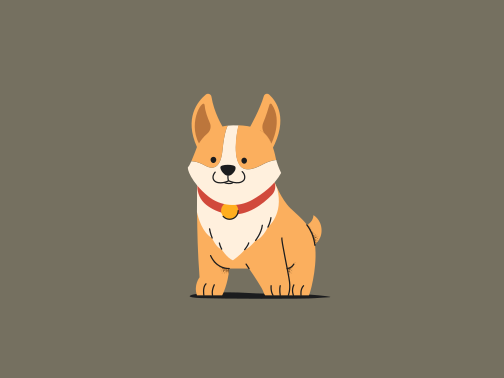
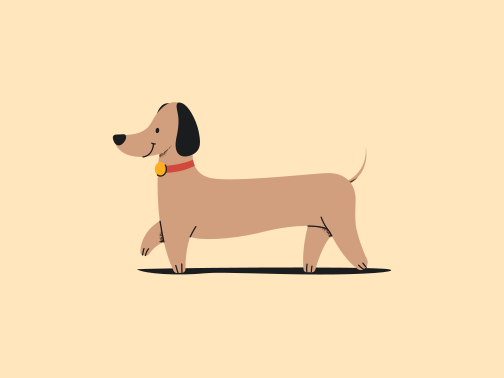
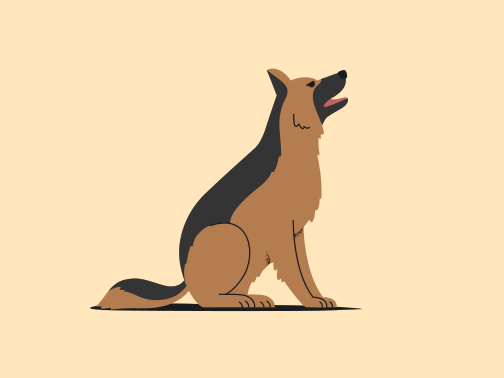

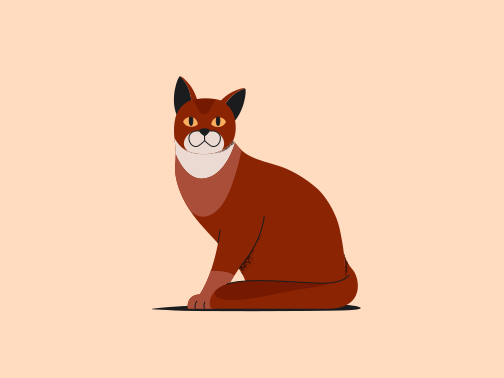
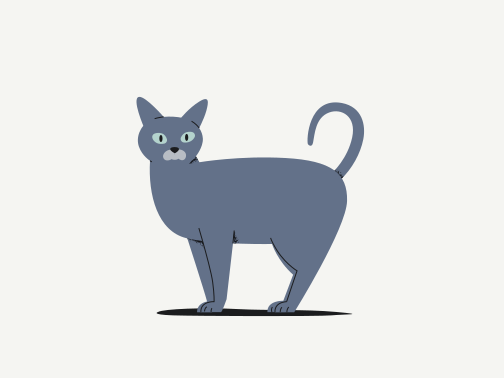
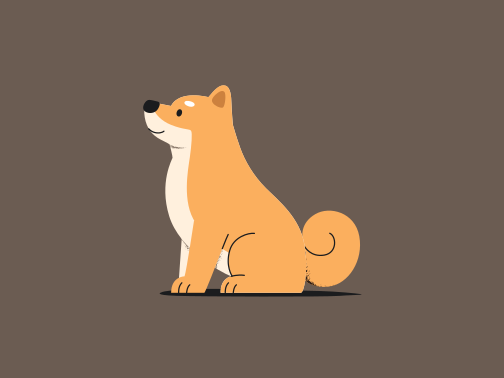
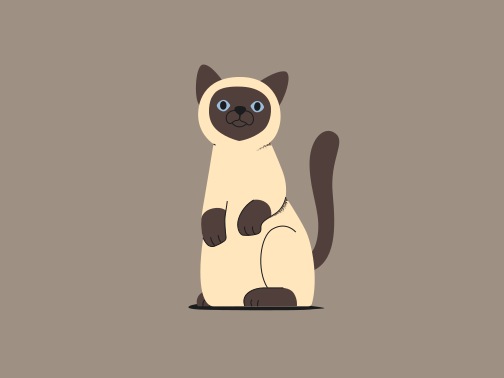

The decision to welcome an animal companion into your life represents one of the most significant choices many people make. From the loyal eyes of a German Shepherd to the gentle purring of a Persian cat, from the playful energy of a Corgi to the quiet contemplation of a tortoise, each species brings unique characteristics that can profoundly shape daily existence. Understanding what makes certain animals compatible with specific lifestyles, personalities, and living situations transforms pet selection from random choice into thoughtful partnership.
The human-animal bond runs deeper than simple companionship. Research in psychology and neuroscience reveals that interaction with pets triggers release of oxytocin—the same hormone involved in human bonding and affection. This biochemical response explains why stroking a cat or playing with a dog creates feelings of calm and connection. The relationship between humans and domestic animals represents thousands of years of co-evolution, where both species adapted to mutual benefit.
The Evolution of Domestic Companionship
Domestication transformed wild animals into companions through selective breeding across millennia. Dogs descended from wolves approximately 15,000 to 40,000 years ago, making them humanity's oldest animal partners. This relationship began pragmatically—wolves scavenged near human settlements, gradually becoming useful for hunting and protection. Over generations, humans selected for temperament, creating animals comfortable with close human contact.
Timeline of Pet Domestication:
- Dogs (15,000-40,000 years ago): First domesticated animals, evolved from wolves
- Cats (9,000-10,000 years ago): Self-domesticated around agricultural settlements
- Guinea pigs (3,000-5,000 years ago): Domesticated in Andes for food, later companionship
- Rabbits (1,400 years ago): French monks began selective breeding
- Hamsters (1930s): Syrian hamsters captured and bred for research, then pets
Cats followed a different domestication path. Rather than humans actively breeding them, cats essentially domesticated themselves. When humans developed agriculture and stored grain, rodents appeared. Wild cats noticed the abundant prey around granaries and settled nearby. Humans tolerated cats because they controlled pests. This mutually beneficial arrangement gradually led to cats becoming comfortable around people.
Modern pets represent the culmination of this long selective breeding. A Shiba Inu differs dramatically from its wolf ancestors through countless generations of selection for specific traits—size, temperament, appearance, and behavioral characteristics. Similarly, domestic cats, despite retaining more independence than dogs, show significant behavioral adaptations that facilitate human companionship.
Psychology of Pet Preference
Individual attraction to specific animals reveals much about personality, lifestyle, and psychological needs. Research suggests that dog lovers tend to be more extroverted and active, while cat enthusiasts often score higher in independence and openness to experience. These aren't absolute rules but rather tendencies that reflect both self-selection and the influence pets have on their owners' lives.
Personality Correlations:
- Dog preference: Sociability, active lifestyle, structure, outdoor activities
- Cat preference: Independence, creativity, lower maintenance needs, indoor focus
- Small mammals: Responsibility in limited space, gentleness, observation skills
- Birds: Appreciation for intelligence, vocalization, long-term commitment
- Reptiles: Fascination with nature, patience, unique care requirements
The psychological benefits of pet ownership extend across multiple dimensions of mental health and wellbeing. Studies consistently show that pet owners report lower levels of loneliness, reduced stress, and greater sense of purpose. The responsibility of caring for another living being creates structure and meaning, while the non-judgmental affection animals provide offers emotional support during difficult times.
For children, growing up with pets provides developmental advantages beyond simple enjoyment. Caring for animals teaches empathy, responsibility, and understanding of biological needs. Children learn that other creatures have requirements, feelings, and perspectives different from their own—a crucial component of social-emotional development. The loss of a pet, while painful, often represents children's first encounter with death, providing opportunities to process grief in a supported environment.
Matching Pets to Lifestyles
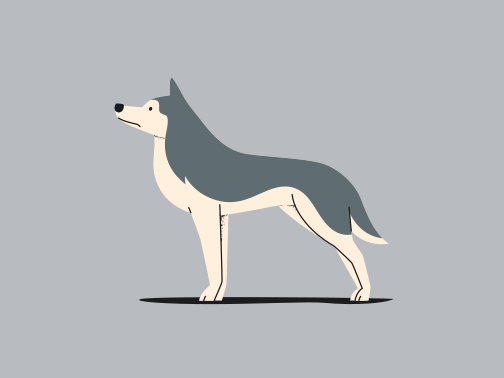
The compatibility between specific animals and human lifestyles determines success of the relationship for both parties. A high-energy breed like a Husky requires extensive daily exercise and mental stimulation—perfect for active individuals who enjoy outdoor activities but potentially miserable in a small apartment with sedentary owners. Understanding these matches prevents the heartbreak of rehoming animals when relationships fail due to incompatibility.
Living Space Considerations:
Small apartments suit compact, lower-energy animals. Cats adapt well to indoor living, providing companionship without requiring outdoor space. Small dog breeds like Pugs or Dachshunds can thrive in apartments if their exercise needs are met through walks. Guinea pigs, hamsters, and rabbits require relatively little space while offering interactive companionship.
Houses with yards expand possibilities dramatically. Medium to large dogs benefit from outdoor space for exercise and play. Breeds developed for herding or hunting, such as German Shepherds or Weimaraners, possess energy levels that make adequate exercise challenging without access to outdoor areas. These active breeds often develop behavioral problems when confined without sufficient physical and mental stimulation.
Activity Level Matching:
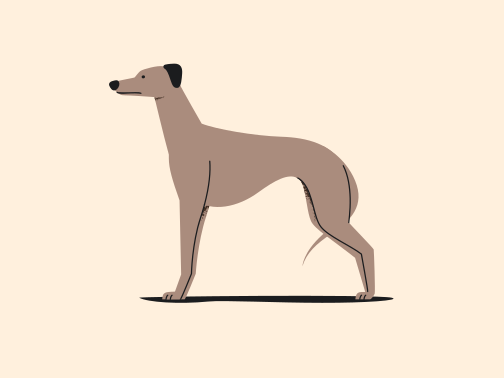
Highly active individuals who enjoy hiking, running, or outdoor adventures often bond deeply with energetic dog breeds. A Greyhound can accompany long-distance runs, while a Corgi brings enthusiasm to daily walks. These relationships work beautifully when human and animal activity needs align, with exercise becoming shared bonding time rather than obligation.
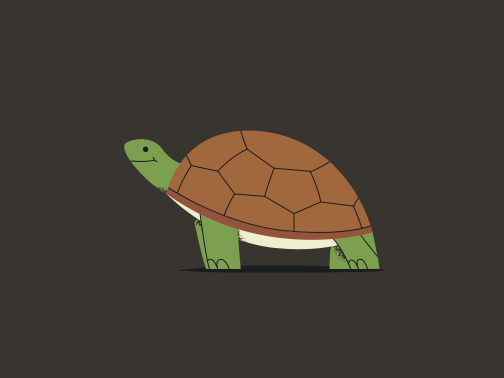
Conversely, individuals with more sedentary lifestyles or limited mobility might find companionship with calmer animals. Senior cats often enjoy quiet companionship, sitting near their humans without demanding constant interaction. Tortoises require minimal daily interaction, offering peaceful presence perfect for those who appreciate observation over active engagement.
🏠 Explore Different Pet Options →
Understanding Different Species
Each species brings distinctive characteristics that determine their suitability for different situations. Understanding these traits helps match animals with compatible human partners, ensuring both thrive in the relationship.
Canine Companions:
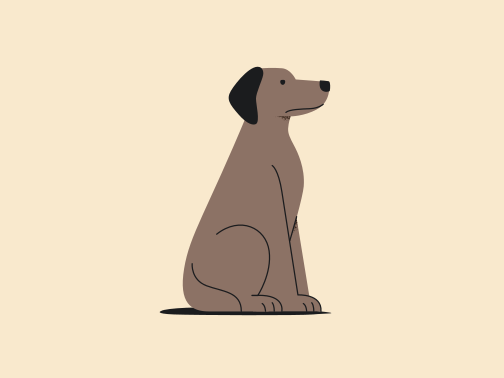
Dogs represent humanity's most versatile animal partners, bred into hundreds of distinct breeds with specialized characteristics. Herding dogs like German Shepherds possess intelligence and trainability that make them excel in roles from family companion to working service animal. Sight hounds like Greyhounds combine gentle temperament with impressive athletic ability. Companion breeds like Pugs were developed specifically for human company, trading working ability for affectionate temperament.
The remarkable diversity within dog breeds means generalizations about "dogs" often prove less useful than understanding specific breed characteristics. A Dachshund and a Husky differ as dramatically from each other as either differs from a cat. Researching specific breeds reveals whether their energy level, size, grooming needs, and temperament align with your lifestyle.
Feline Friends:
Cats bring independence combined with affection on their own terms. Unlike dogs' pack mentality that creates strong hierarchy and attachment to human leadership, cats maintain more autonomy while still forming genuine bonds. This independence appeals to people who appreciate companionship without constant demands for attention.
Different cat breeds exhibit varying personality traits. Siamese cats tend toward vocalization and social engagement, often following their humans and "talking" throughout the day. Persian cats typically show calmer, more reserved temperament. Russian Blue cats often bond intensely with one or two people while remaining shy around strangers. These breed tendencies, combined with individual personality, create the unique character of each cat.
Small Mammal Companions:
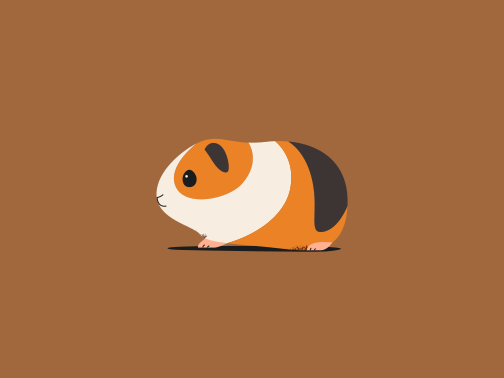
Guinea pigs offer interactive companionship in compact form. These social animals communicate through distinctive vocalizations—"wheeks" of excitement when food appears, purring when content, and chattering when annoyed. They thrive in pairs or groups, creating small communities that provide social interaction and entertainment for their human caregivers.
Rabbits possess intelligence and personality often underestimated due to their historical treatment as livestock. Domestic rabbits can be litter trained, learn their names, and bond closely with humans. They express affection through gentle nudging, circling feet, and sitting close by. However, rabbits require more space and enrichment than many people expect—they need room to hop, jump, and explore.
Health Benefits of Pet Ownership
Beyond psychological advantages, pet ownership delivers measurable physical health benefits. Multiple longitudinal studies demonstrate that dog owners maintain higher levels of physical activity compared to non-owners. The daily commitment to walk a dog—regardless of weather or motivation—ensures consistent moderate exercise that accumulates into significant health benefits over time.
Cardiovascular Advantages:
Research shows pet owners exhibit lower blood pressure and reduced cardiovascular reactivity to stress. The American Heart Association conducted a comprehensive review concluding that dog ownership in particular associates with decreased cardiovascular risk. The mechanisms appear multifaceted—increased physical activity, reduced stress, enhanced social connections, and the calming effect of animal interaction all contribute.
The presence of a pet during stressful situations demonstrably reduces physiological stress responses. Studies measuring blood pressure and cortisol levels during anxiety-inducing tasks found that participants accompanied by their pets showed significantly lower stress responses than those alone or even those with human companions. The non-judgmental presence of an animal provides comfort that differs qualitatively from human support.
Immune System Development:
Children raised with pets, particularly dogs and cats, show reduced rates of allergies and asthma. The "hygiene hypothesis" suggests that early exposure to pet dander and the diverse microorganisms animals bring into homes helps train developing immune systems. Rather than increasing allergy risk, early pet exposure appears protective, teaching immune systems to distinguish between genuine threats and harmless environmental proteins.
This immune benefit extends beyond allergies. Children growing up with pets appear to experience fewer respiratory infections and require less antibiotic treatment. The proposed mechanism involves exposure to diverse bacteria strengthening immune responses and reducing susceptibility to common pathogens.
Educational Value for Children
Pets serve as powerful educational tools, teaching lessons that abstract instruction struggles to convey. The daily reality of animal care demonstrates cause and effect, responsibility, and empathy through lived experience rather than theoretical discussion.
Responsibility Development:
When children participate in pet care—feeding, grooming, cleaning habitats—they develop understanding of responsibility's concrete meaning. The animal depends on their actions. Forgetting to refill water affects a real creature they care about. This tangible consequence makes responsibility immediate and meaningful rather than abstract.
Age-appropriate pet care tasks scale with children's developmental stages. Preschoolers can help fill food bowls under supervision. Elementary-age children can take on daily feeding independently. Teenagers might handle grooming, exercise, and habitat cleaning with minimal parental involvement. This gradual increase in responsibility builds competence and confidence.
Empathy and Emotional Intelligence:
Interacting with animals requires reading non-verbal communication and responding to another creature's needs and feelings. Dogs express happiness, fear, pain, and excitement through body language—tail position, ear orientation, vocalizations, and posture. Learning to interpret these signals and respond appropriately develops emotional intelligence and empathy.
Children discover that their actions affect animals' emotional states. Rough play causes fear or pain. Gentle touch and calm voice create comfort and trust. These lessons in emotional cause and effect translate to human relationships, teaching children that their behavior impacts others' feelings and wellbeing.
👨👩👧👦 Family Pet Selection →
Special Needs and Therapeutic Animals
Certain animals possess characteristics particularly beneficial for individuals with specific needs or challenges. Service dogs for people with visual impairments, hearing loss, or mobility limitations represent the most recognized therapeutic animal category, but the range extends far beyond these formal roles.
Emotional Support and Therapy Animals:
Therapy animals visit hospitals, nursing homes, schools, and disaster sites, providing comfort through their calm presence. Research on animal-assisted therapy demonstrates measurable benefits for patients with depression, anxiety, PTSD, and various other mental health conditions. The simple act of petting an animal reduces stress hormones while increasing mood-enhancing neurochemicals.
Cats and dogs both serve effectively as emotional support animals for individuals with anxiety disorders or depression. Their consistent presence, routine care requirements, and non-judgmental affection provide stability and purpose. The animal offers something to focus on beyond rumination, a reason to maintain routines even when motivation flags, and physical comfort during difficult moments.
Autism and Sensory Processing:
Children with autism spectrum disorders often connect profoundly with animals. Pets provide social interaction without the complex verbal and non-verbal communication that makes human relationships challenging. A dog accepts a child exactly as they are, without judgment about social skill deficits or unusual behaviors. This unconditional acceptance builds confidence and provides safe relationship practice.
Guinea pigs and rabbits serve particularly well for children who find larger, more energetic animals overwhelming. Their gentle temperament, soft texture, and calm demeanor provide sensory comfort without overstimulation. The rhythmic motion of stroking soft fur offers soothing sensory input that many children with sensory processing differences find regulating.
Cultural Perspectives on Pet Selection
Different cultures maintain varying relationships with animals, influencing which species appear in homes as companions versus working animals or livestock. Understanding these cultural contexts reveals that "pet" status represents a culturally constructed category rather than an inherent animal characteristic.
Global Pet Preferences:
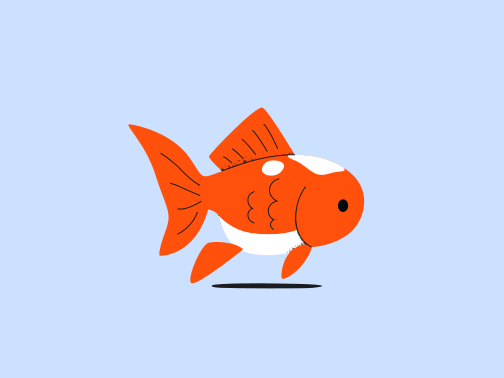
In Western Europe and North America, dogs and cats dominate as primary companion animals, with small mammals, birds, and fish occupying secondary roles. Japanese culture has long embraced compact dog breeds suited to smaller living spaces, while also maintaining deep appreciation for birds, fish, and even insects as pets—caged crickets cherished for their songs, elaborate goldfish breeding creating living art.
In some Latin American communities, parrots and other vocal birds represent traditional companion animals, their bright colors and conversational abilities integrating into family life. African and Middle Eastern traditions sometimes include animals Westerners consider unusual pets—tortoises, doves, and various small mammals playing companion roles.
Religious and Ethical Considerations:
Various religious traditions shape attitudes toward animals and appropriate human-animal relationships. Islamic traditions generally view dogs as working animals rather than house companions, though this perspective varies across cultures and individual interpretation. Hindu reverence for all life influences gentle treatment of animals, with some viewing pet ownership as inappropriate confinement.
Buddhist compassion principles lead some practitioners to rescue animals or provide sanctuary, viewing care for suffering creatures as spiritual practice. Jewish law includes detailed requirements for animal welfare, establishing that feeding one's animals before oneself demonstrates proper priorities.
🌍 Explore Cultural Diversity →
The Responsibility of Pet Ownership
The decision to adopt an animal companion requires honest assessment of capacity to provide appropriate care throughout the animal's lifespan. This responsibility extends beyond emotional attachment to practical commitment of time, money, and energy for years or even decades.
Lifetime Commitment:
Different species possess dramatically different lifespans, requiring consideration during selection. Hamsters typically live two to three years—a manageable commitment allowing families with young children to experience pet ownership with defined endpoint. Cats and dogs commonly live twelve to eighteen years, representing commitment spanning a child's entire school career or a young adult's twenties. Tortoises can live fifty years or longer, potentially outliving their original caregivers.
This longevity consideration matters practically and ethically. Adopting a puppy in college without considering post-graduation housing, career demands, or lifestyle changes contributes to shelter overcrowding when young adults realize they cannot maintain pet care. Thoughtful selection requires envisioning how life might change and whether the animal can remain integrated throughout those changes.
Financial Obligations:
Beyond initial adoption costs, pets require ongoing financial investment. Routine veterinary care—annual examinations, vaccinations, preventive medications—represents baseline expense. Unexpected illness or injury can generate substantial emergency veterinary bills. Food, supplies, grooming, boarding during travel, and replacement of damaged belongings all accumulate.
Large dogs cost significantly more than small animals—their food consumption, medication doses, and veterinary care scale with body size. Exotic animals sometimes require specialized veterinarians, making routine care more expensive than for common pets. Honest budgeting before adoption prevents the heartbreak of being unable to afford necessary care.
Time and Energy Investment:
Dogs require daily exercise, training, and social interaction—time commitments that remain constant regardless of work stress, weather, or competing demands. Cats need less direct interaction but still require play, grooming, and companionship. Even small mammals benefit from daily handling and habitat enrichment.
People with demanding careers, frequent travel, or chaotic schedules might find pet care challenging. While pet sitters and boarding facilities provide solutions, the fundamental commitment remains. An active social life requiring many evenings away may be incompatible with a young puppy's needs. Understanding these lifestyle factors honestly prevents adopting animals whose needs you cannot consistently meet.
⚖️ Understand the Commitment →
Making the Final Selection
When you've considered lifestyle compatibility, understood different species' characteristics, and committed to the responsibility, the final selection might still feel overwhelming. Twenty-five different pet options each possess unique appeal. How do you choose between a loyal Corgi and an elegant Russian Blue cat? Between a playful Lovebird and a gentle Guinea Pig?
This is where the joy of random selection reveals its wisdom. After narrowing options to species genuinely compatible with your circumstances, allowing chance to make the final choice removes the paralysis of overthinking. You've done the responsible work of ensuring compatibility. Now you can let fate introduce you to your new companion.
The Process:
First, eliminate clearly incompatible options. If you live in a small apartment without yard access, remove large, high-energy dogs requiring extensive outdoor space. If you travel frequently for work, remove species needing daily interaction and consistent routines. If you have limited budget, remove animals with expensive care requirements.
Next, consider what remains. Each compatible option offers something special. The Shiba Inu brings independent spirit and fox-like beauty. The Siamese cat offers vocal companionship and interactive personality. The Rabbit provides gentle affection and surprising intelligence. Rather than endlessly comparing, recognize that any of these compatible choices could become your beloved companion.
Random Selection Benefits:
When you've narrowed to genuinely compatible options, random selection offers several advantages. It eliminates decision paralysis—the overwhelming feeling of too many good choices. It removes regret about paths not taken—you didn't reject the other options, fate simply selected this one. It creates openness to possibilities you might have overlooked through deliberate analysis.
Most importantly, random selection from compatible options acknowledges a profound truth: the relationship you build matters more than the specific species you start with. A Persian cat chosen randomly from compatible options receives the same love and care as one selected after weeks of deliberation. The bond develops through daily interaction, shared experiences, and mutual affection—not through the selection method.
🎯 Let Fate Choose Your Companion →
Conclusion
Choosing an animal companion represents a decision with profound implications for both human and animal wellbeing. Understanding the evolutionary history of domestication, psychological research on human-animal bonds, practical lifestyle compatibility, and long-term responsibility transforms this choice from impulse to informed commitment.
Key Insights:
- Co-evolution bond: Thousands of years of domestication created species adapted to human companionship
- Lifestyle matching: Successful relationships require compatibility between animal needs and human circumstances
- Health benefits: Pet ownership delivers measurable physical and psychological advantages
- Educational value: Animals teach children responsibility, empathy, and emotional intelligence
- Lifetime commitment: Pet ownership requires sustained financial, temporal, and emotional investment
- Informed randomness: After ensuring compatibility, random selection eliminates decision paralysis
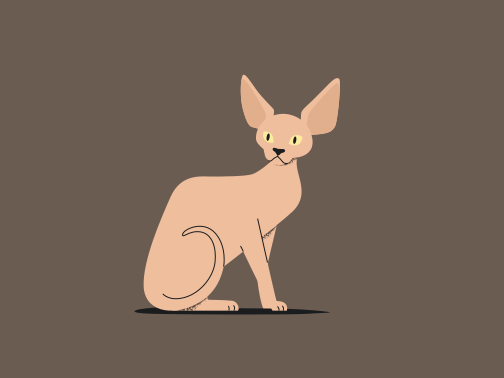
Whether you're drawn to the loyal devotion of a German Shepherd, the independent grace of a Sphynx cat, the gentle nature of a Guinea Pig, or the quiet presence of a Tortoise, each compatible animal can become a cherished companion. The species matters less than the commitment to understanding their needs, providing appropriate care, and building a relationship of mutual affection and respect.
Ready to discover your perfect pet? Use our Pick a Pet randomizer to let chance introduce you to your future companion from a curated collection of wonderful animals, each offering unique joys and characteristics that could enrich your life for years to come.
Explore more about decision-making in our guide to random selection methods, or discover how psychological biases affect choices in everyday life.