Are you tired of the same old "eeny, meeny, miny, moe" or calling on the same eager students?
Random name selection is crucial for fair classroom participation, but it doesn't have to be boring. Whether you're choosing who presents first, forming groups, or selecting homework helpers, the right method can turn selection into an engaging experience.
Why Random Selection Matters in the Classroom
Fair participation is the foundation of an inclusive classroom. When students know selection is truly random, they're more likely to:
- Stay engaged and prepared
- Participate without feeling singled out
- Accept outcomes without complaints
- Experience reduced anxiety about being chosen
Research shows that random selection increases student engagement by up to 40% compared to teacher-directed selection.
8 Creative Ways to Randomly Pick Student Names
1. Digital Spinning Wheel
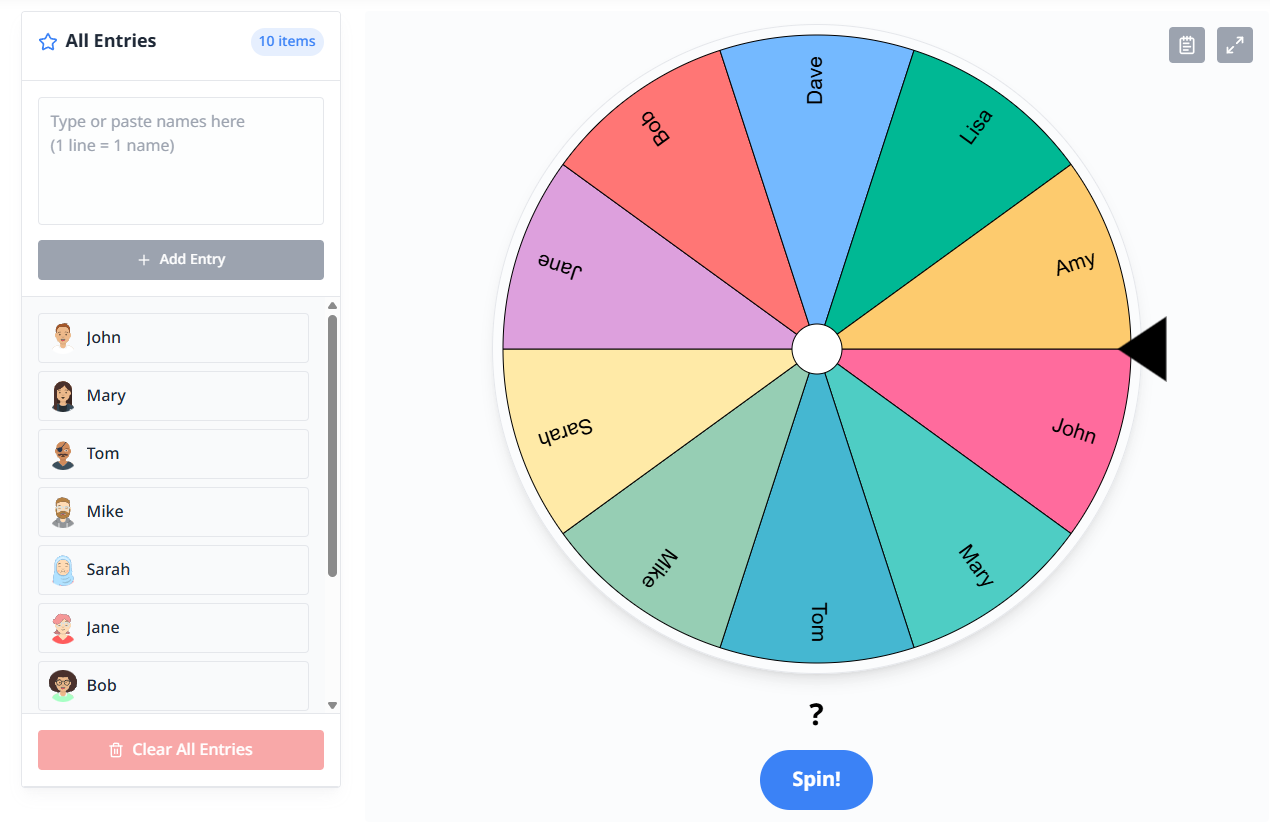
The classic wheel of names has gone digital. Simply enter student names and watch the wheel spin to make your selection.
🎯 Try Digital Spinning Wheel →
- Best for: Quick daily selections, choosing presentation order
- Pros: Visual excitement, easy to use, transparent process
- Cons: Requires device and screen projection
2. Cat Paw Jar Method
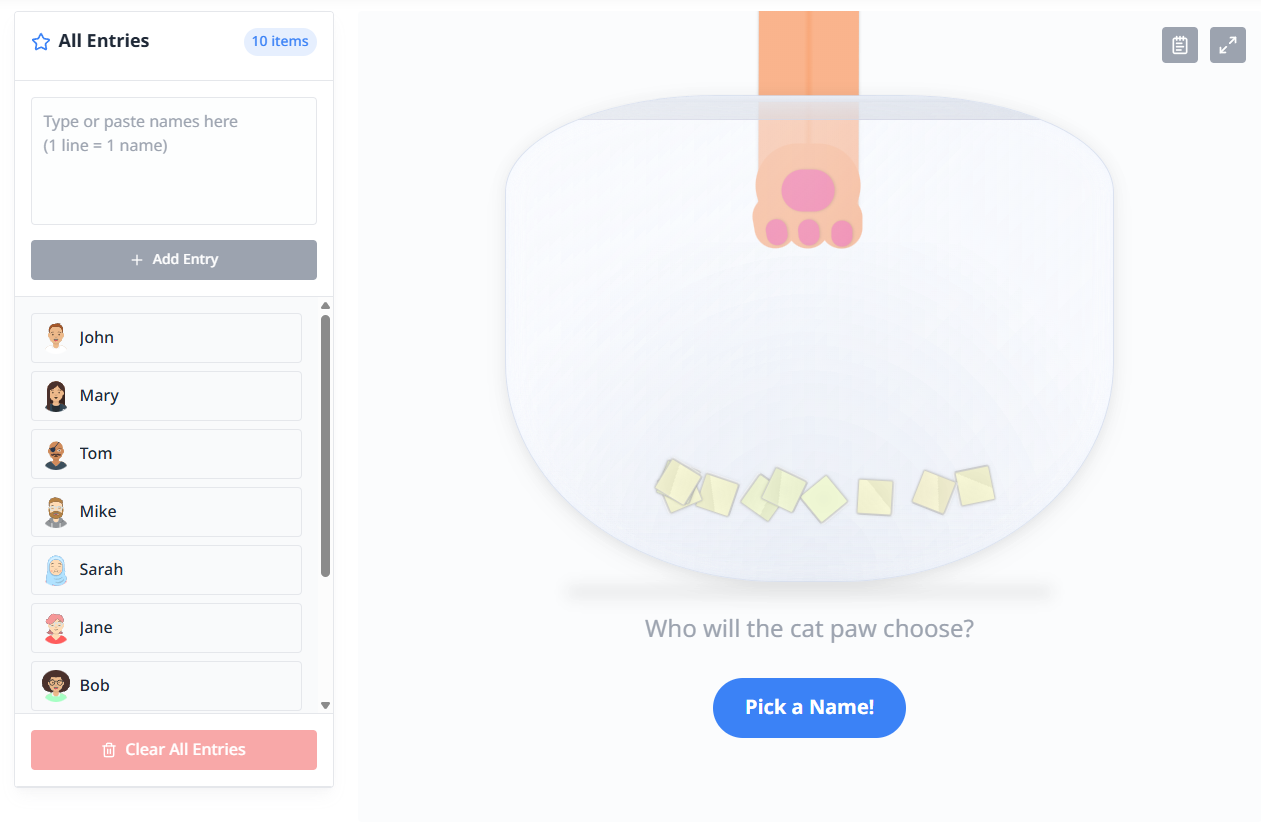
This playful approach mimics drawing names from a physical jar, but with a cute virtual cat doing the selection.
- Best for: Elementary classrooms, special occasions
- Pros: Adorable animation keeps young students engaged
- Cons: May be too juvenile for older students
3. Gift Box Surprise

Names are "unwrapped" from a virtual gift box with confetti effects.
- Best for: Celebrations, special announcements, prize drawings
- Pros: Creates anticipation and excitement
- Cons: Animation might be distracting for frequent use
4. Physical Popsicle Sticks
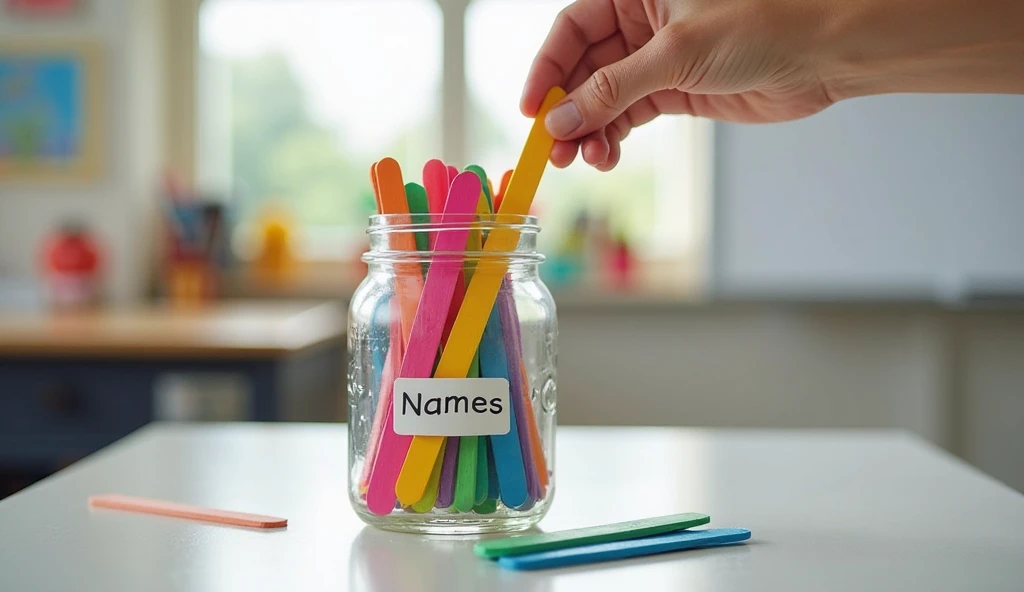
Write each student's name on a popsicle stick and draw from a container.
- Best for: Tech-free environments, backup method
- Pros: No technology needed, tactile experience
- Cons: Time-consuming to set up, sticks can be lost
5. Fortune Cards Selection
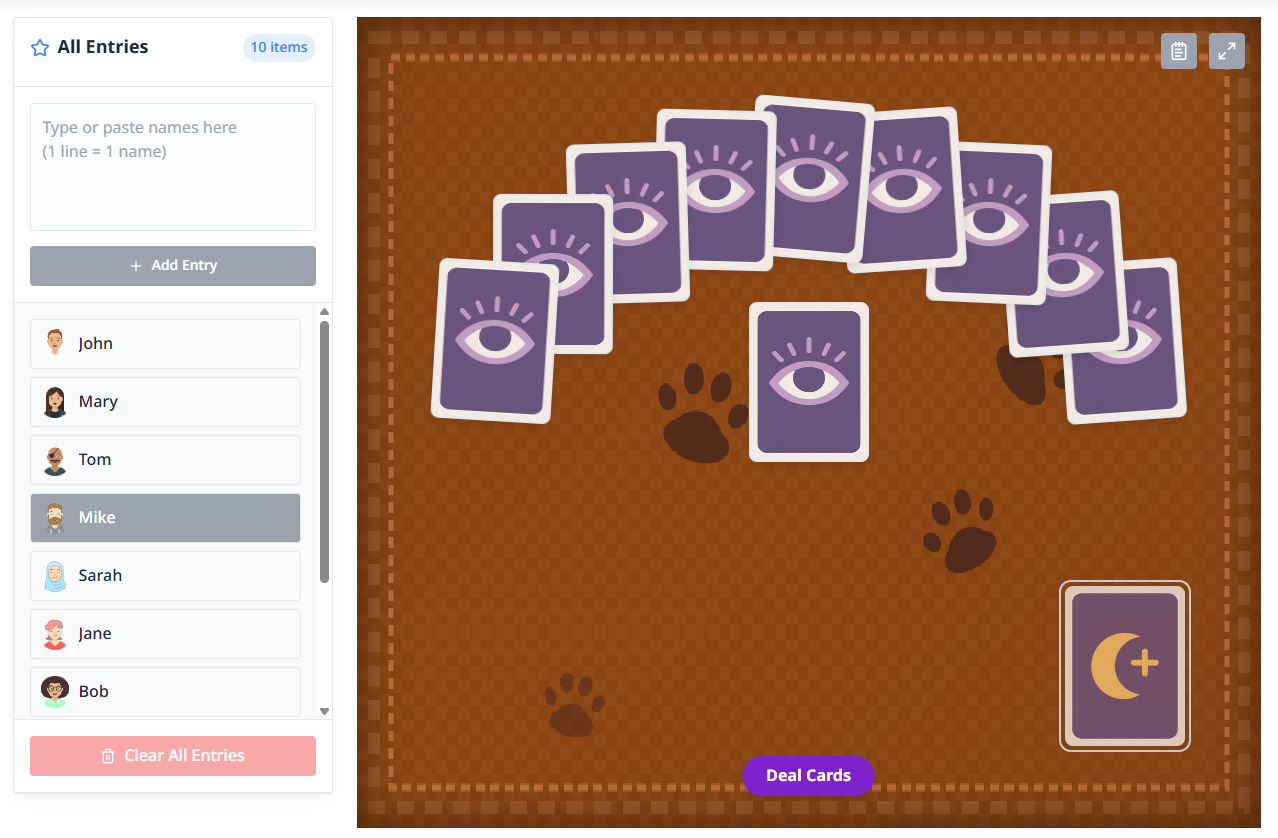
Create personalized prediction cards with each student's name and draw randomly from the deck.
- Best for: Building anticipation, mystical classroom themes, fortune-telling activities
- Pros: Each card represents a specific student, creates personal connection, adds mystical element
- Cons: Requires creating individual cards for each student, limited by class size
6. Number Generator + Class List

Use a random number generator and match to numbered class roster.
- Best for: Quick selections, tech-savvy teachers
- Pros: Fast and efficient, works with any list
- Cons: Less engaging, requires numbered roster
7. Spotlight Selection
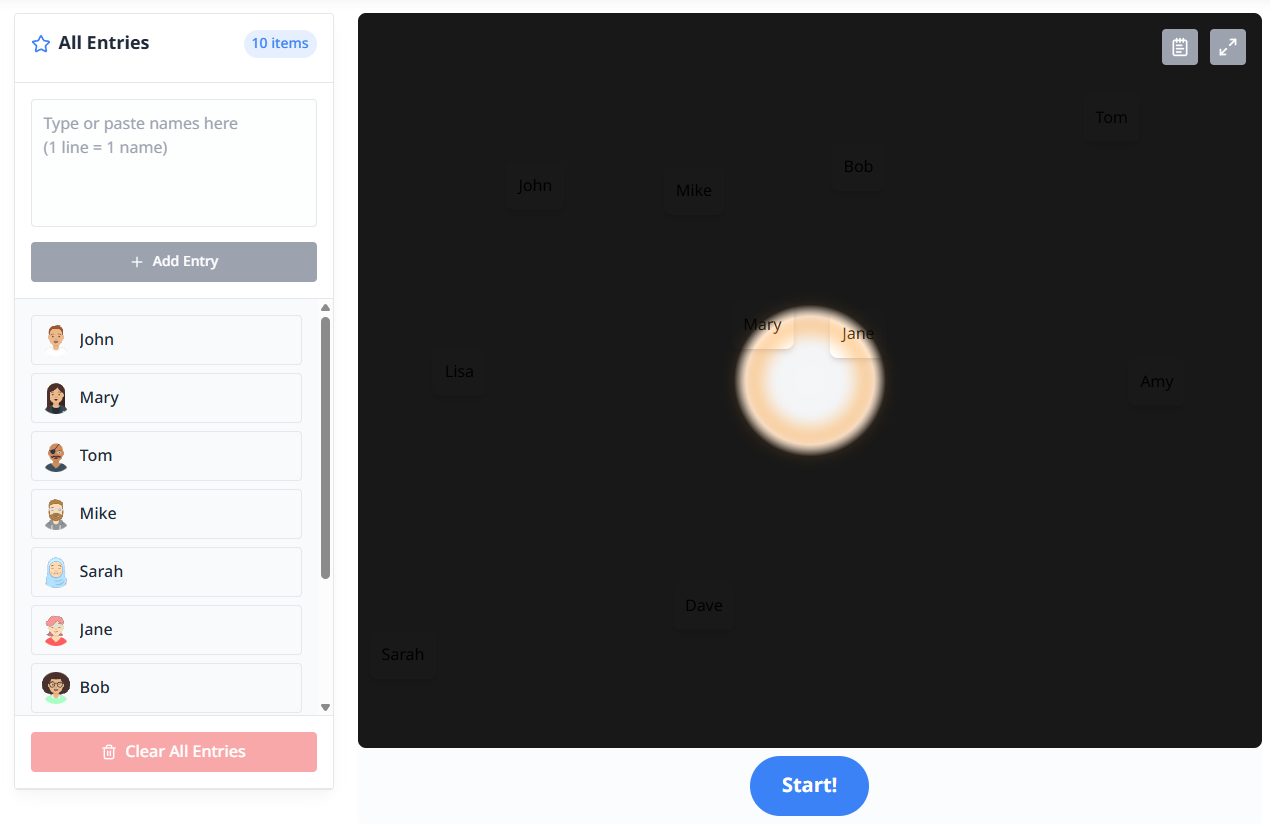
A dramatic digital spotlight sweeps across student names before making the final selection.
- Best for: Building suspense, important announcements
- Pros: Creates dramatic effect, high engagement
- Cons: Time-consuming for frequent use
8. Marble Race
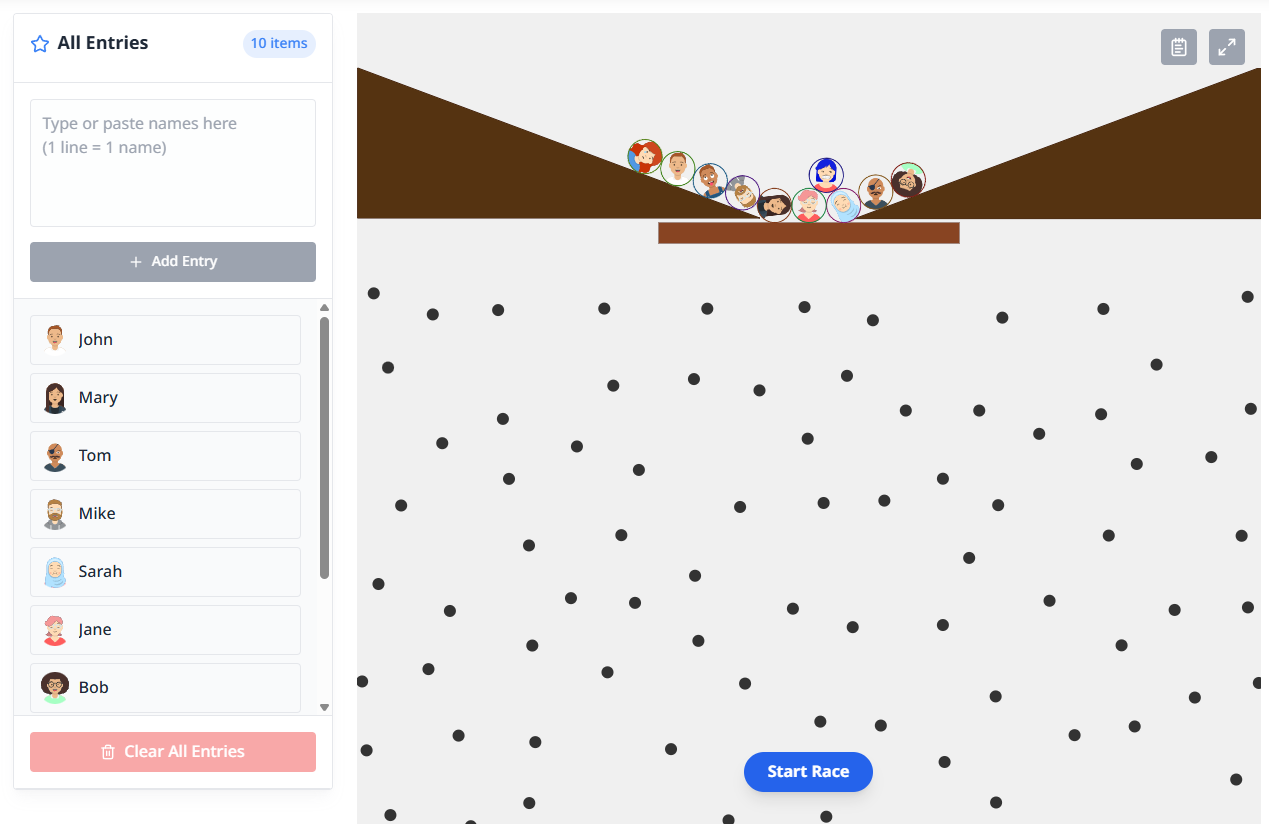
Virtual marbles with student names race to determine the winner.
- Best for: PE classes, competitive environments
- Pros: Adds element of racing excitement
- Cons: May take longer than other methods
How to Choose the Right Method for Your Classroom
Consider these factors when selecting your random name picker:
Age Group:
- Elementary (K-5): Cat paw, gift box, colorful animations
- Middle School (6-8): Wheel spin, marble race, spotlight
- High School (9-12): Simple wheel, number generator, fortune cards
Frequency of Use:
- Daily selections: Quick wheel spin or number generator
- Special occasions: Gift box, spotlight, fortune cards
- Multiple times per class: Simple, fast methods
Technology Access:
- Full tech classroom: Any digital method
- Limited tech: Physical methods as backup
- No tech: Popsicle sticks, traditional drawing
Tips for Implementing Random Selection Successfully
Set Clear Expectations
Explain to students that random selection ensures fairness and that everyone will have equal opportunities throughout the year.
Keep It Truly Random
Avoid the temptation to "guide" results. Students quickly notice when selection isn't genuinely random.
Have a Backup Plan
Technology fails. Always have a low-tech backup method ready.
Track Selections
Keep a simple record to ensure long-term fairness, especially for high-stakes selections.
Make It Fun, Not Stressful
Frame random selection as exciting rather than anxiety-inducing. Use positive language: "Let's see who gets the honor of..." instead of "Who has to..."
Common Mistakes to Avoid
Using the Same Method Every Time: Variety keeps students engaged and prevents gaming the system.
Forgetting Absent Students: Decide in advance whether to remove absent students from selection pools.
Making It Too Complicated: The selection method shouldn't take longer than the actual activity.
Ignoring Student Input: Occasionally let students vote on which selection method to use.
Digital vs. Physical Methods: Which Is Better?
Digital Methods Win For:
- Speed and efficiency
- Visual appeal and engagement
- Easy modification of name lists
- Automatic record keeping
Physical Methods Win For:
- No technology dependence
- Tactile experience
- Simplicity and reliability
- Student ownership (they can operate the system)
The Best Approach: Use both! Have a primary digital method with a reliable physical backup.
Making Random Selection Educational
Turn name picking into learning opportunities:
- Probability Lessons: Discuss odds with card or number methods
- Technology Skills: Let students operate digital tools
- Fairness Discussions: Talk about why random selection matters
- Pattern Recognition: Track results over time
Troubleshooting Common Issues
"The Computer Picks the Same Person!" Explain that true randomness can include clusters and patterns. Keep long-term records to show overall fairness.
Students Try to Game the System Switch methods regularly and ensure the process is clearly visible to all students.
Technical Difficulties Always have a backup method ready. Practice using your digital tools beforehand.
Conclusion
Random name selection doesn't have to be a mundane classroom chore. With the right approach, it becomes an engaging part of your teaching toolkit that promotes fairness, maintains student interest, and can even enhance learning.
Start with one method that fits your comfort level and classroom technology, then gradually experiment with others. Your students will appreciate the fairness, and you'll love how much easier classroom management becomes when everyone knows the system is truly random.
Ready to get started? Try a digital spinning wheel for your next classroom activity and watch how it transforms the simple act of name selection into an exciting moment that students actually look forward to.
Looking for ready-to-use random selection tools? Pickja offers 8+ creative methods for picking names, all free and designed specifically for educators and activity organizers.